Fabrizio Borelli is a photographer, director and director of photography. His professional career spans more than fifty years across photography, cinema and television, with a consistent interest in images, storytelling, and the observation of people and their social contexts.
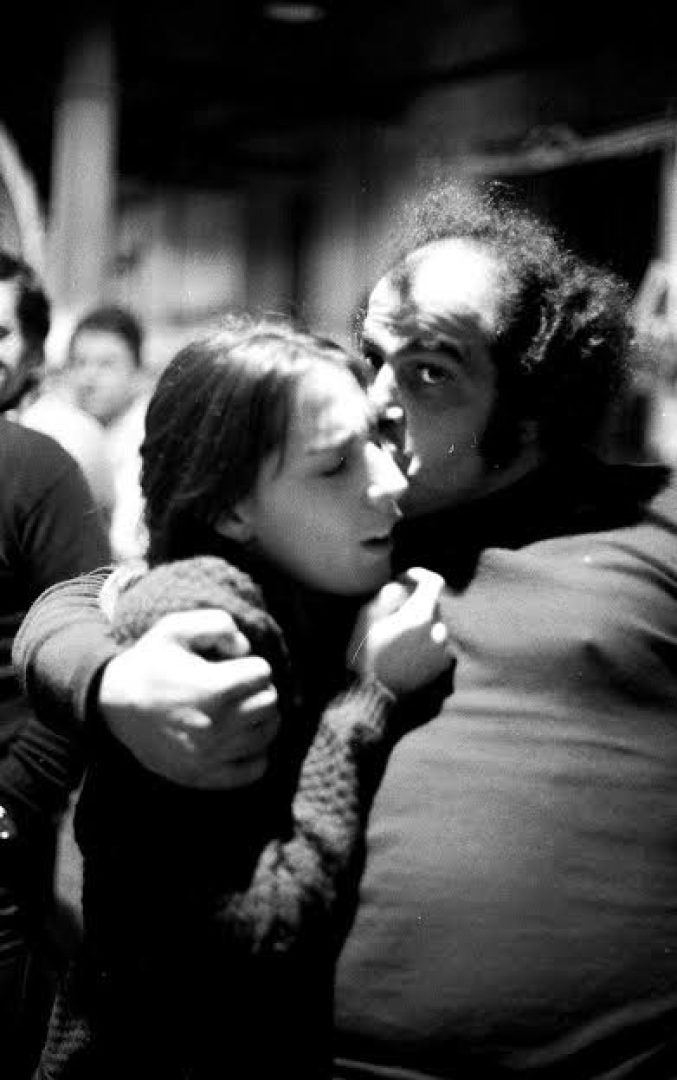
In the 1970s, he worked with the DFP photographic agency in Rome and Milan, first as a photographic printer and later as a photographer. During the same period, he contributed to the documentary Festa della solidarietà / Contro l'emarginazione, filmed inside the Psychiatric Hospital of Arezzo, and to the photographic documentation of the performance workshop Uomini e recinti, centred on the community of former patients of the Santa Maria della Pietà Psychiatric Hospital one year after the enactment of the Basaglia Law.
From the mid-1970s to the late 1980s, he worked in the film industry, contributing to productions directed, among others, by Luigi Comencini, Ettore Scola, Andrei Tarkovsky and Ermanno Olmi. In the 1980s, he took part in the founding of Ipotesi Cinema – Istituto Paolo Valmarana with Ermanno Olmi and Paolo Valmarana, working as an author, director and director of photography. He was director of photography on Mario Brenta's Maicol and wrote the original story and screenplay and directed the feature film L'attesa, selected for Cinéma Italien – Rencontres d'Annecy in 1991.
He subsequently developed a long career in television as a director and format designer. For RAI's three television networks, he directed programmes on political and parliamentary affairs, culture, science, medicine and social issues, also contributing to their visual identity. He also produced programmes and on-the-road reports in the United States, numerous European countries and the Middle East, with productions in Lebanon, Israel, Jerusalem and the Gaza Strip.
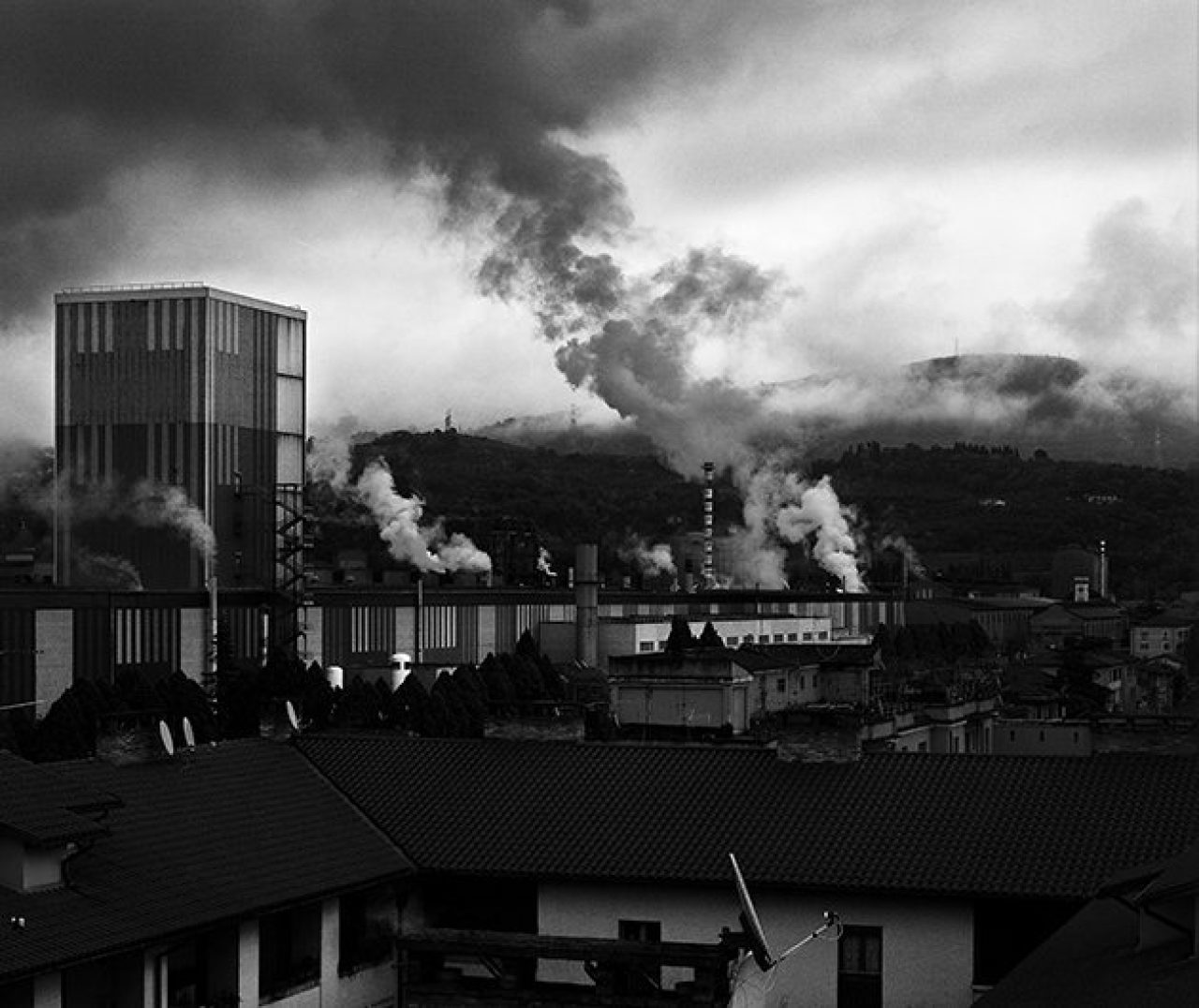
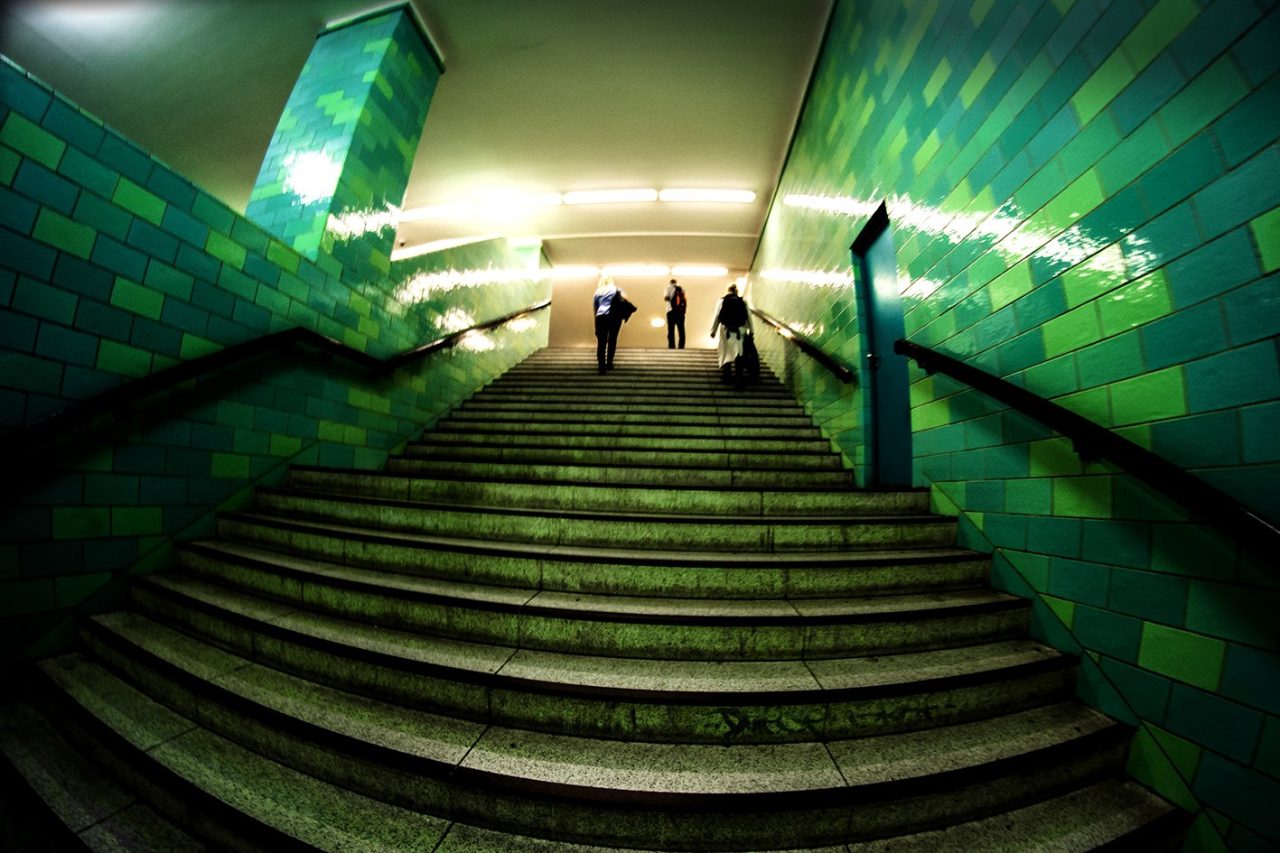
Photography has accompanied his entire career and has progressively become the primary field of his personal research. Borelli works with portraiture, landscape, documentary photography and the conceptual construction of the image. The relationship between individuals and their environment, relationships between people, memory, and the ways in which an image is recognised and interpreted are among the recurring themes of his work. In recent years, part of his research has focused on people with disabilities, exploring the relationships and gestures of care that develop around them.
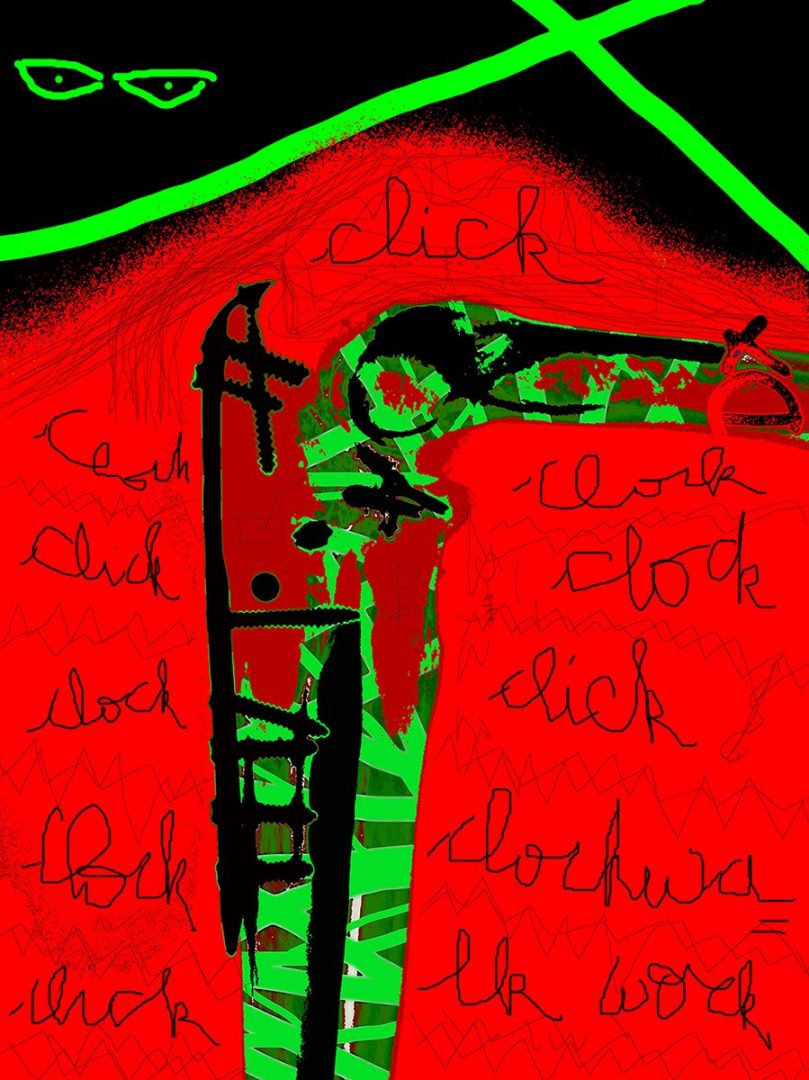
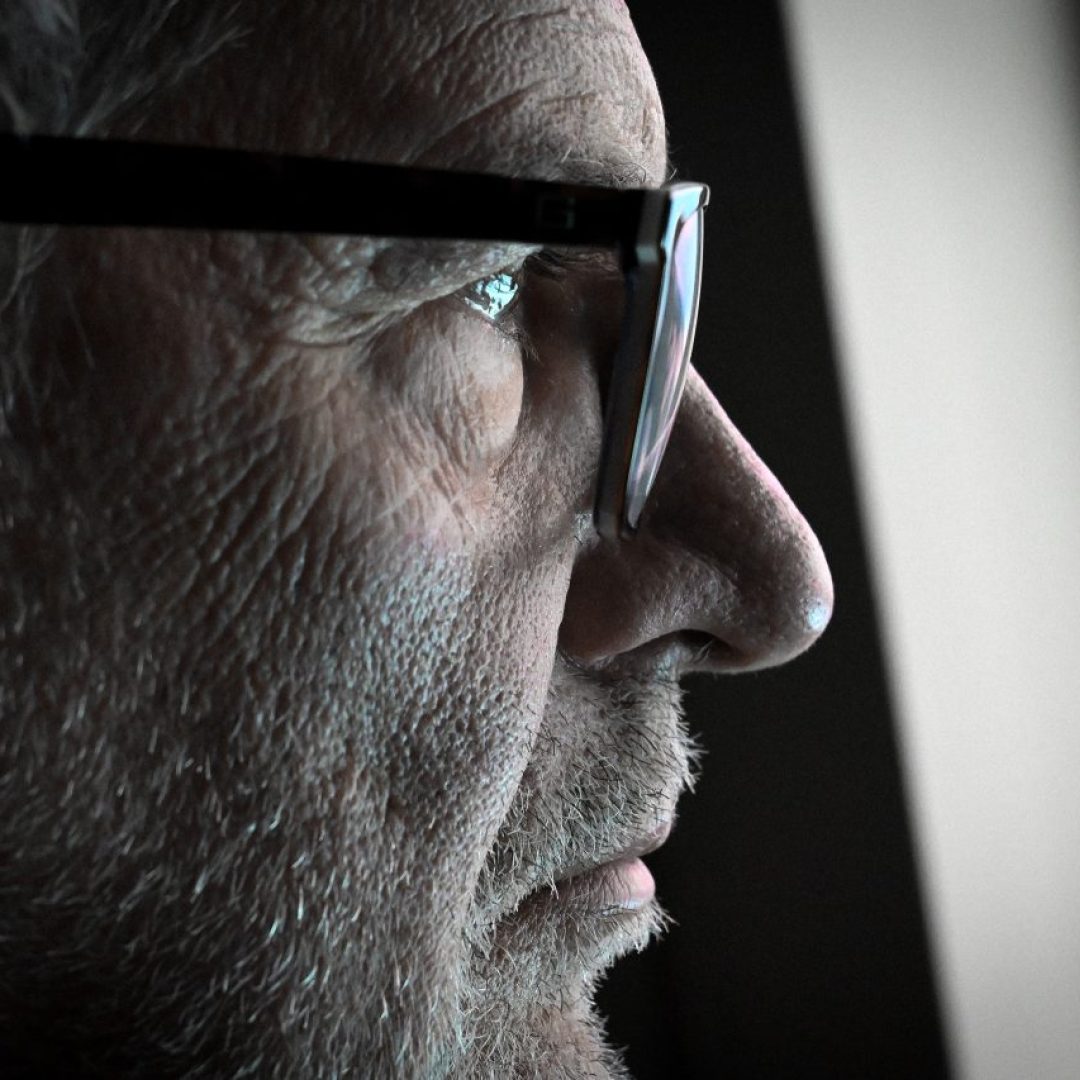
His research spans different techniques and visual languages, from analogue processes to digital technologies and, more recently, experimentation with artificial intelligence image-generation systems. His interest is not in the technology itself, but in the changes that synthetic images introduce into the relationship between representation, credibility and photographic reality.
Over the years, he has exhibited his photographic work in museums and public and private institutions, including MAXXI – National Museum of 21st Century Arts, MLAC – Museo Laboratorio di Arte Contemporanea at Sapienza University of Rome, and the Biblioteca Statale Isontina in Gorizia.
In 1984, he was among the founders of the AOCF58 gallery in Rome. Alongside his professional and artistic practice, he has also taught directing and audiovisual communication, including at Sapienza University of Rome, as well as courses dedicated to directing and video production in the digital era.
The diversity of these experiences now converges in a research practice centred on the image, understood not simply as representation, but as a device through which we observe, interpret and construct reality.
Participants are solely responsible for managing their own content and for obtaining the necessary permissions for the publication of any materials.
If you are the owner of this profile and do not wish to appear on Rome Art Directory, please contact info@romeartdirectory.com to request its removal.

Post
Story
Whatsapp