Francesco Melaragni (Cassino, 1954). Architect, he is cofounder of the architecture and design firm melaragni+campagna archimmagine studio.
His architectural projects have been featured in numerous publications and exhibitions, receiving prestigious awards and mentions in national and international competitions. These honors include: the Silver Medal at the Interarch 2012 Triennial of Architecture in Sofia; selection and publication in the Ce.S.Arch. Competition for Agenda 2012; a special mention in the 80 Voglia di Casa competition for interior architecture under 80 sqm (2009); the Jury Prize at the Dedalo Minosse International Prize (2003-2004 ed.); the Jury Prize at the IN/ARCH RomaArchitettura Competition (2000); a special mention at the Young & Design Competition (1996); 1st Prize at the Opos Space Competition for young designers in Milan (1993); and 1st Prize at the "Europe and Young Designers" Competition (1994).
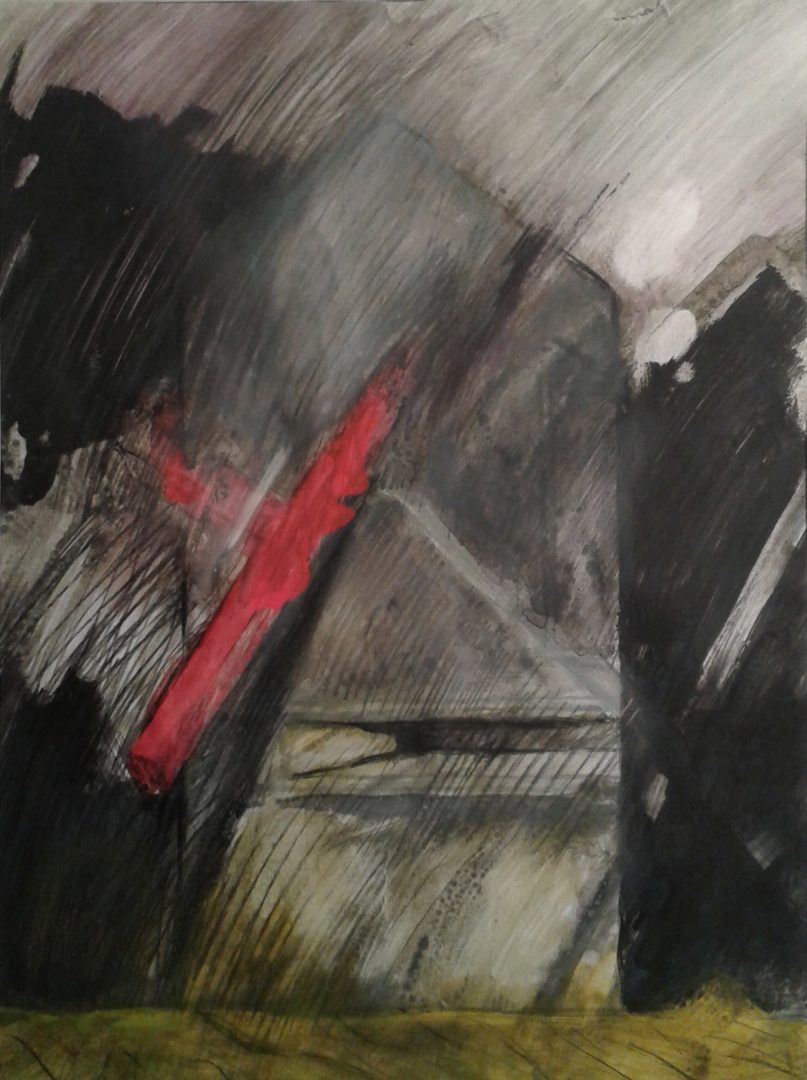
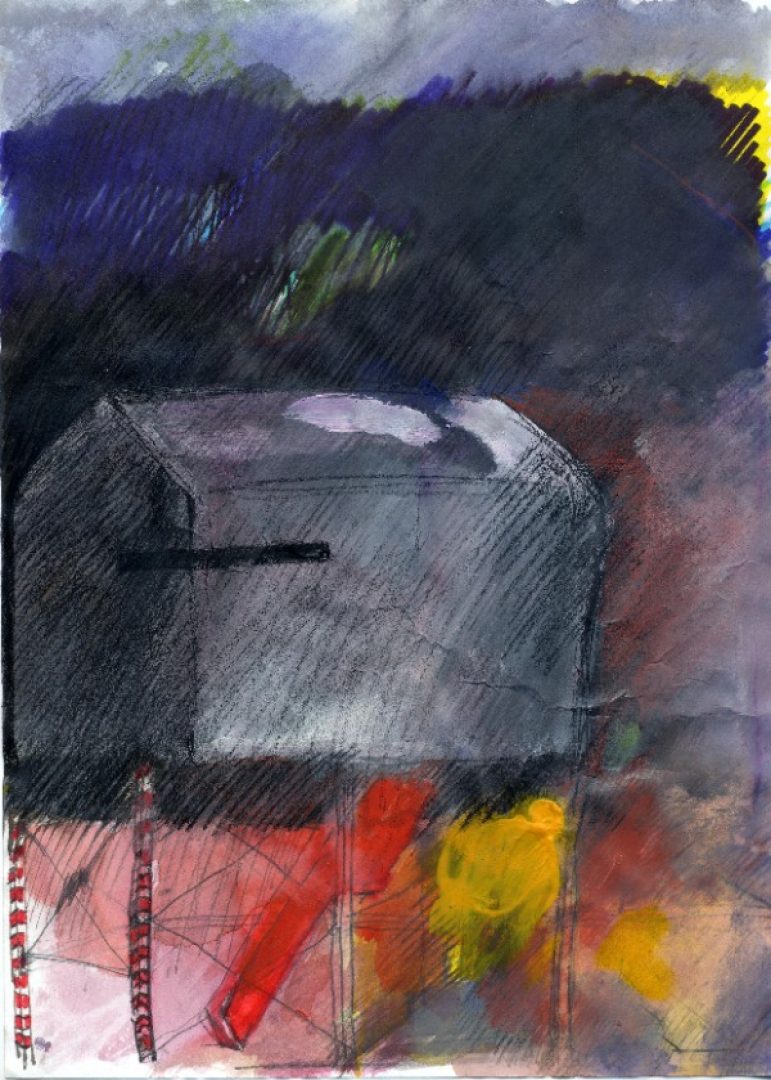
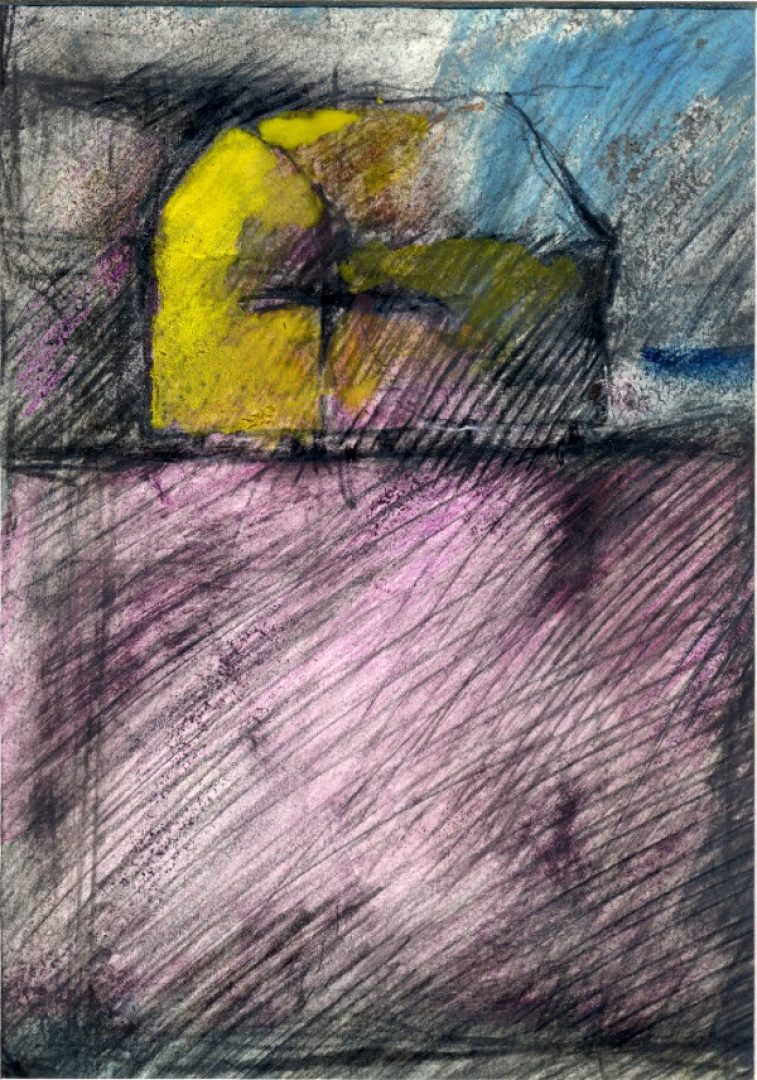
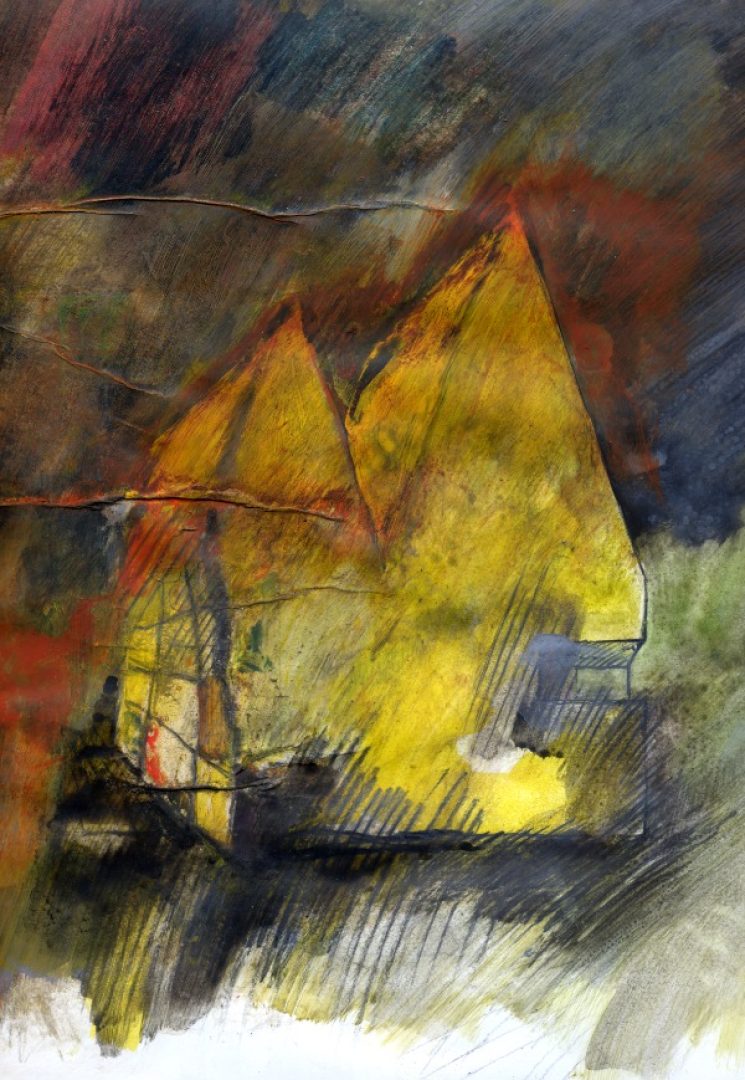
Since 2012, he has also dedicated himself to painting, a lifelong passion that he has always nurtured and integrated into his completed architectural projects and works. Through a layered technique that combines the texture of acrylic with the precision of pencil, his artistic research takes the form of a profound investigation into man's poetic dwelling, suspended in the constant tension between earth and sky.The core of his inquiry is the study of the archetypal house—a pure form that evokes Joseph Rykwert’s "Adam’s House in Paradise." These isolated structures, emerging from vibrant chromatic backgrounds, are not mere architectural objects, but shells of protection and intimacy. His work draws from Martin Heidegger's philosophical echoes on the care of existence and Gaston Bachelard's phenomenology on the poetics of space. The resulting canvases redefine the boundaries of form, transforming the architectural sign into pure existential reflection.

Participants are solely responsible for managing their own content and for obtaining the necessary permissions for the publication of any materials.
If you are the owner of this profile and do not wish to appear on Rome Art Directory, please contact info@romeartdirectory.com to request its removal.
Post
Story
Whatsapp