Giulio Xie Biography
From a very young age, Xie Hui – known professionally as Giulio Xie – picked up pencils and colors, delighting in painting the remote countryside of the Canton region where he spent his early childhood. He left this landscape behind at age six when he moved to Le Chang City to study.
There, his predisposition for painting persisted, leading him to take private lessons despite being involved in numerous other activities.
His natural talent soon caught the attention of his middle school art teacher, who encouraged him to pursue formal artistic studies. Through this mentorship, he encountered the art of Leonardo da Vinci, Caravaggio, Rubens, Van Gogh, and Picasso, solidifying his decision to enroll in the Academy of Fine Arts in Canton. After earning his degree, he taught painting at the private Bopu School in Canton—a position he was forced to leave after two years to take on a collaborative role in a business venture.
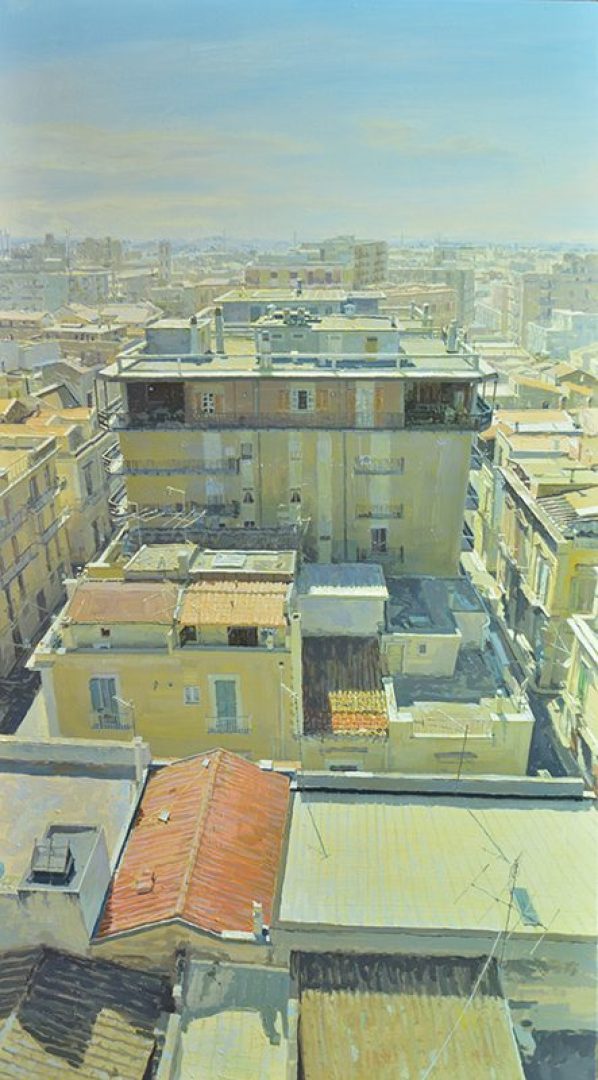
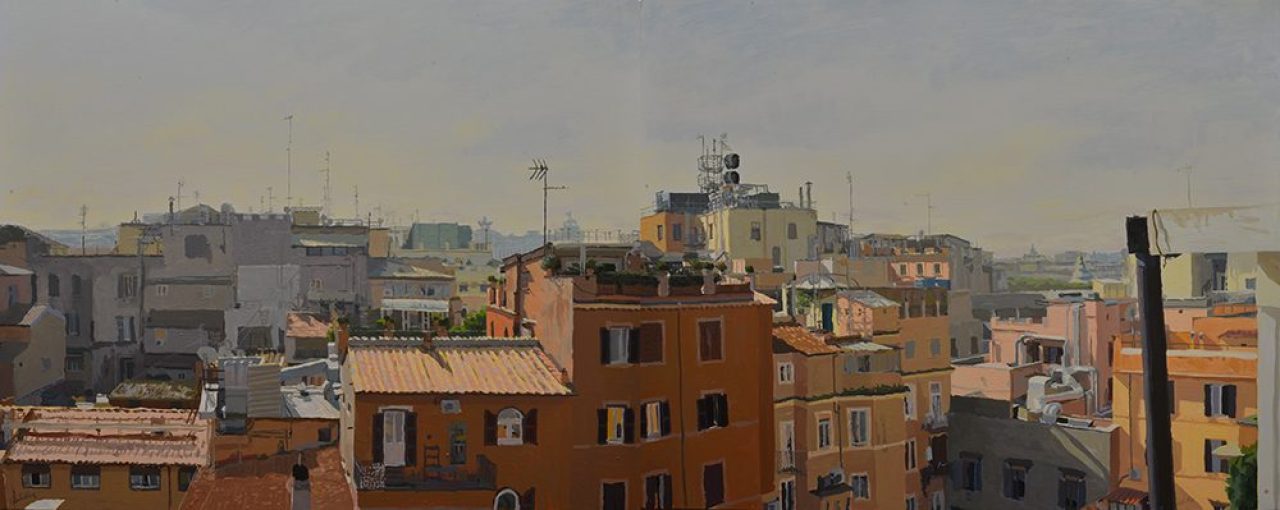
However, his artistic drive was hard to suppress, and in 2011 he left everything behind to enroll at the Academy of Fine Arts in Rome, where he could finally immerse himself in the culture that had fascinated him for years. Upon arriving in Italy, his primary source of inspiration became the capital city itself. His early works from this period show a particular focus on the colors and light of Rome, through which he sought to capture luminous skies reminiscent of those he had seen as a child in China.
In Rome, he graduated with top marks in painting and had the opportunity to work closely with renowned painters such as Gian Paolo Berto, Ennio Calabria, and Sandro Trotti, soon becoming their assistant and interpreter during the masters' various trips to China. It was during one of these journeys that he conceived the idea of creating a fusion between traditional Chinese painting and Western abstraction.
This vision was realized in his series "Il Suono Senza Suono" (The Soundless Sound), where, using a style and brushwork inspired by both cultures, he translates the music of the guqin—an emblem of ancient Chinese culture—onto canvas.
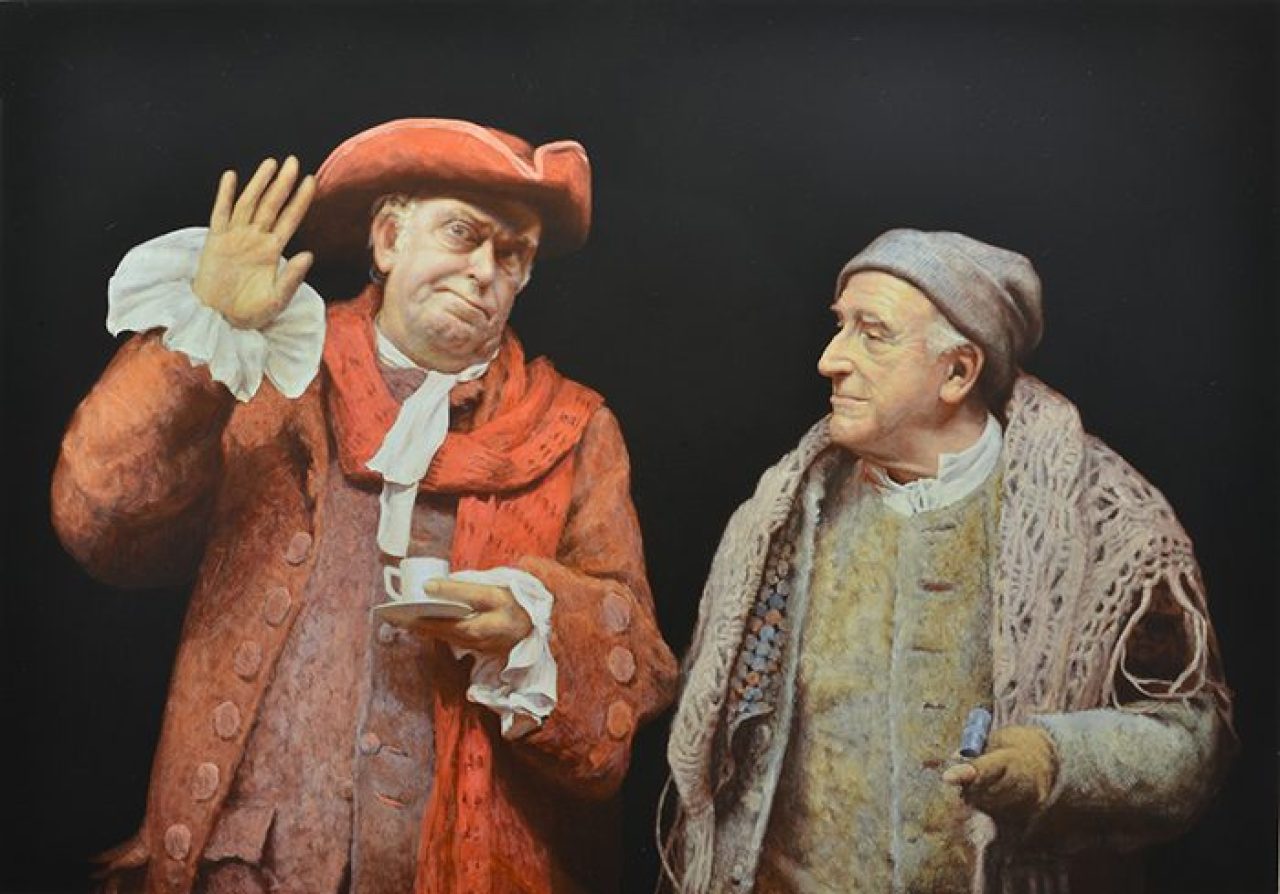
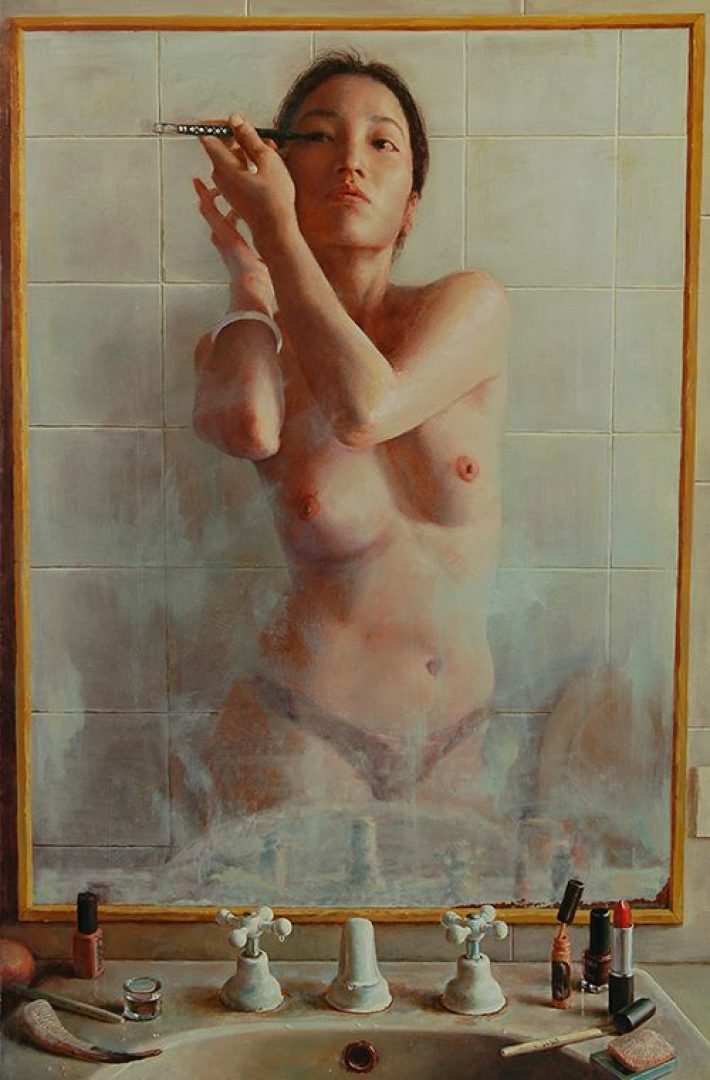
Subsequently, from 2020 onward, he returned to figurative painting with a renewed interest, so to speak, in the human subject, beginning a series of works centered on the theme of theater. Since October 2021, he has been a doctoral candidate in the 37th cycle of the History and Thought of Philosophical-Social Systems program at the University of Rome Tor Vergata, under the supervision of Professor Riccardo Pozzo. This new research path continues to broaden his vision regarding the "art of living" and the "art of making art"—two realms he sees as firmly and indissolubly connected.
Participants are solely responsible for managing their own content and for obtaining the necessary permissions for the publication of any materials.
If you are the owner of this profile and do not wish to appear on Rome Art Directory, please contact info@romeartdirectory.com to request its removal.

Post
Story
Whatsapp